



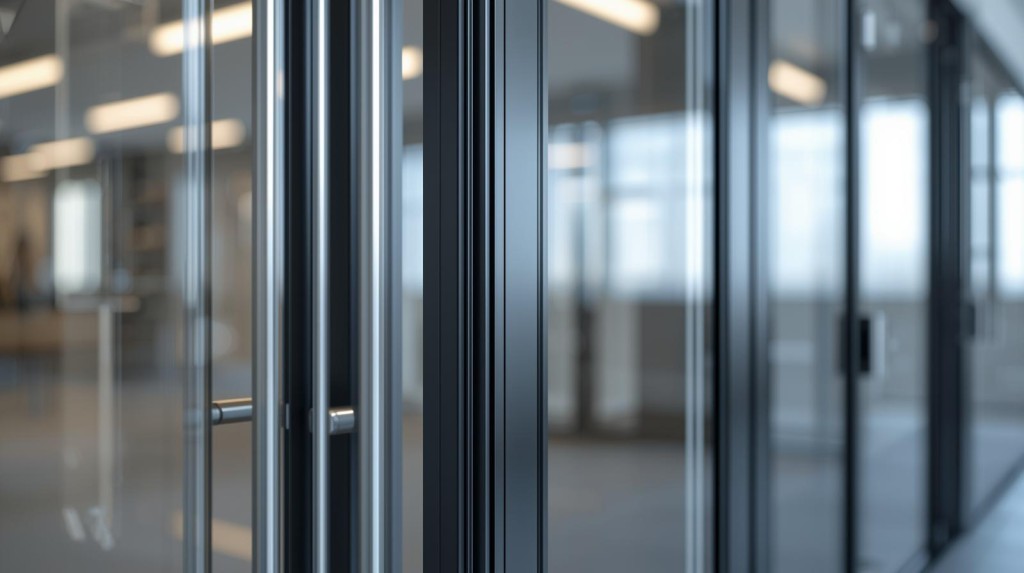
In an era where modern architecture transcends traditional boundaries and the intersection of aesthetics and functionality becomes paramount, the selection of construction materials is more critical than ever. The elements that define a building's character and allow it to "breathe" are, without question, its door and window systems.
It is at this precise juncture that aluminium—standing at the apex of resilient construction materials—comes into play. But what exactly is aluminium fenestration, and why should it be the primary choice for both architects and discerning homeowners?
In this article, we meticulously examine the journey of aluminium from raw material to living space, its technical superiority, and its pivotal role in the concept of "Green Building."
What is Aluminium Fenestration (Joinery)?
To provide a technical definition, aluminium fenestration is the art of transforming raw aluminium through various processes into profiles (usually up to 6 meters in length) and subsequently engineering these profiles into structural elements such as windows, doors, facades, or showcases.
This is no ordinary metal cutting operation. Aluminium is shaped through a process called "Extrusion." In this process, which demands precision engineering, profiles can be manufactured with or without thermal insulation. Machined on CNC, turning, and milling centers, these profiles are designed to fit together with the precision of Lego blocks. The result is a structure as robust as steel, as aesthetic as wood, and significantly longer-lasting than PVC alternatives.
Features and Advantages of Aluminium Windows
The reason aluminium is indispensable in the construction industry lies in the immense advantages derived from its chemical and physical properties. Here is why you should opt for aluminium joinery:
1. Superior Durability and Longevity
Aluminium possesses an innate resistance to corrosion. Unlike iron, it does not rust or decay; unlike wood, it does not swell or warp due to humidity.
-
The Ultimate Climate Shield: Scorching heat, freezing cold, torrential rain, or saline coastal air... Aluminium maintains its structural integrity under all these conditions.
-
High Strength-to-Weight Ratio: It boasts immense strength relative to its specific weight. This allows it to support massive glass spans with incredibly slim profiles.
2. Modern Aesthetics and Slim Sightlines
Traditional materials often require thick frames to support large panes of glass. However, one of the most striking features of aluminium windows is their ability to offer high load-bearing capacity with minimal profile widths.
-
Maximal Light Ingress: Slimmer frames mean increased glass surface area. This ensures interiors are flooded with natural light and views remain unobstructed.
-
Limitless Design Options: Through Anodizing or Electrostatic Powder Coating techniques, aluminium can be finished in hundreds of different colours and textures, including wood-grain effects.
3. Eco-Friendly and Sustainable ("Green Building" Compatible)
Sustainability is no longer a preference but a necessity for our planet's future. Aluminium is a 100% recyclable material.
-
The Infinite Loop: Aluminium can be recycled explicitly without losing its properties. Producing recycled aluminium saves 95% of the energy compared to primary production.
-
Non-Toxic: In the event of a fire, it does not emit toxic fumes, making it safe for human health and the environment.
4. Thermal Insulation and Energy Efficiency
In the past, there was a misconception that "aluminium is cold" due to metal's conductivity. Today’s technology has completely revolutionized this.
-
Thermal Break Technology: Special polyamide barriers are inserted between aluminium profiles to sever thermal conductivity. These "thermally broken aluminium systems" retain internal heat even in the harshest winters, significantly reducing energy bills.
Where is Aluminium Joinery Used?
The versatility of aluminium makes its applications virtually limitless:
-
Residential Estates: Villas, apartments, and especially modern homes with minimalist designs.
-
Commercial Complexes: Offices, shopping malls, hotels, and hospitals.
-
Conservatories (Winter Gardens): Spaces requiring maximum light transmission.
-
Curtain Wall Systems: Exterior cladding for skyscrapers and high-rise buildings.
Why Choose Aluminium?
To summarize; if you aim to utilize resilient construction materials, avoid years of maintenance hassles, and achieve a modern, sophisticated aesthetic, aluminium fenestration is the smartest investment. While the initial installation cost may appear slightly higher than alternatives, its 40-50 year lifespan and energy-saving capabilities make it the most economic solution in the long run.
For an aesthetic, eco-friendly solution that enhances the value of your property, aluminium systems should be at the top of your list.
Frequently Asked Questions (FAQ)
1. Does aluminium joinery rust? No. Aluminium naturally forms a protective oxide layer, making it extremely resistant to corrosion and rust.
2. Do aluminium windows make the house cold? No. When "thermally insulated" (thermally broken) aluminium systems are chosen, high energy efficiency and isolation are achieved thanks to the thermal barriers within the profiles.
3. How do you clean aluminium joinery? Maintenance is incredibly effortless. Wiping with warm water, a soft cloth, and a non-abrasive cleaner is sufficient. It requires no painting or varnishing.